

Archbald Borough Council unanimously rejected a zoning request to construct the 14-building Wildcat Ridge Data Center Campus on 578 acres in the borough.
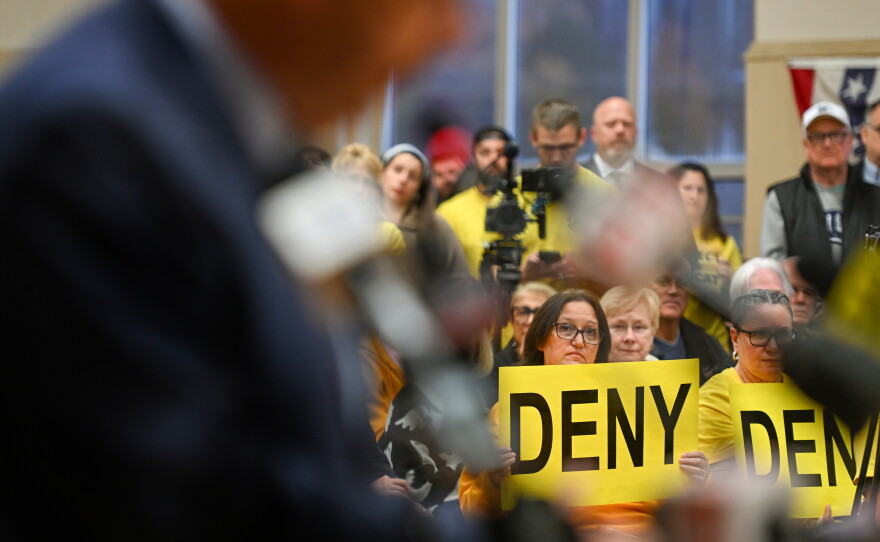
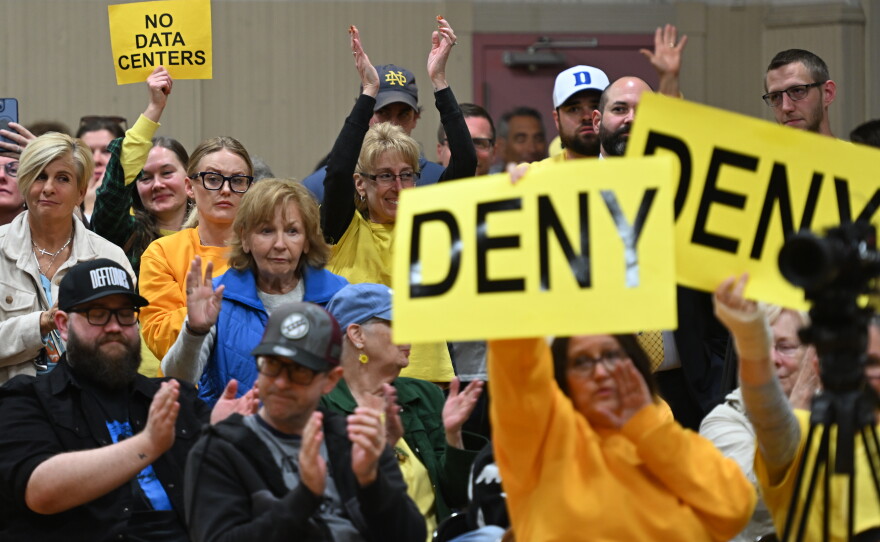
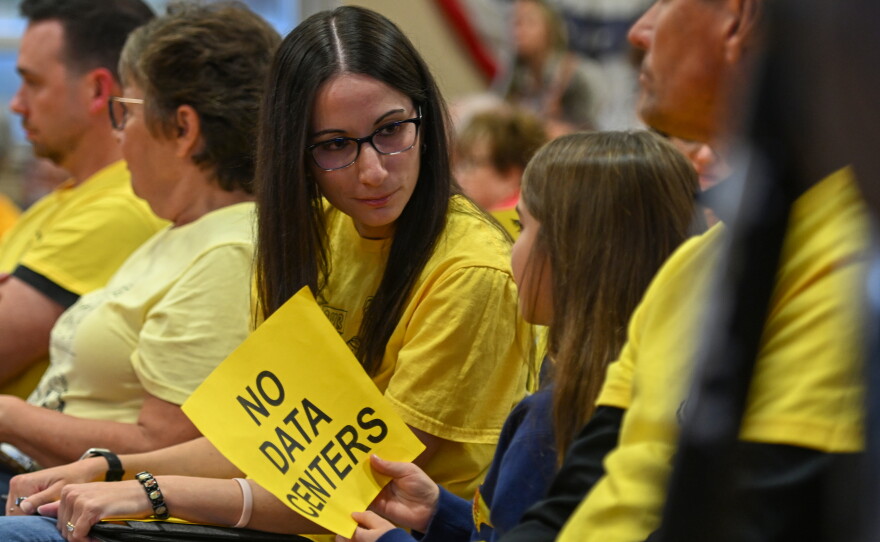
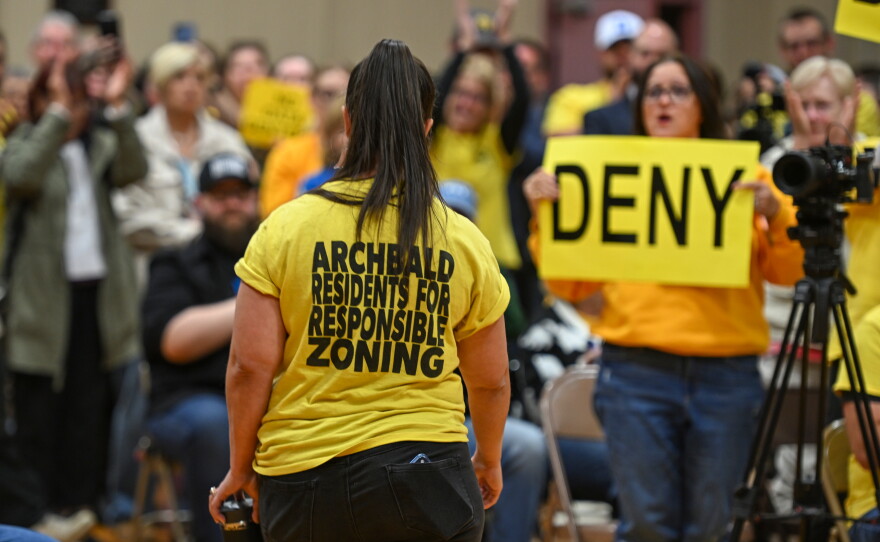
About 200 community members — some of them standing, some of them from other municipalities fighting data center plans — erupted into applause in the borough building’s third floor gym Wednesday night. They hugged each other.
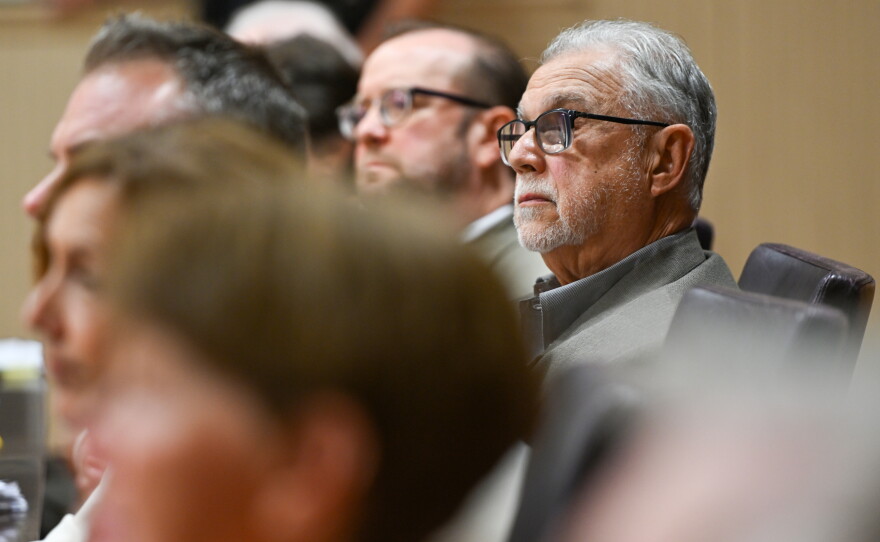
When the excitement died down, they yelled out “thank you” to the seven-member borough council.
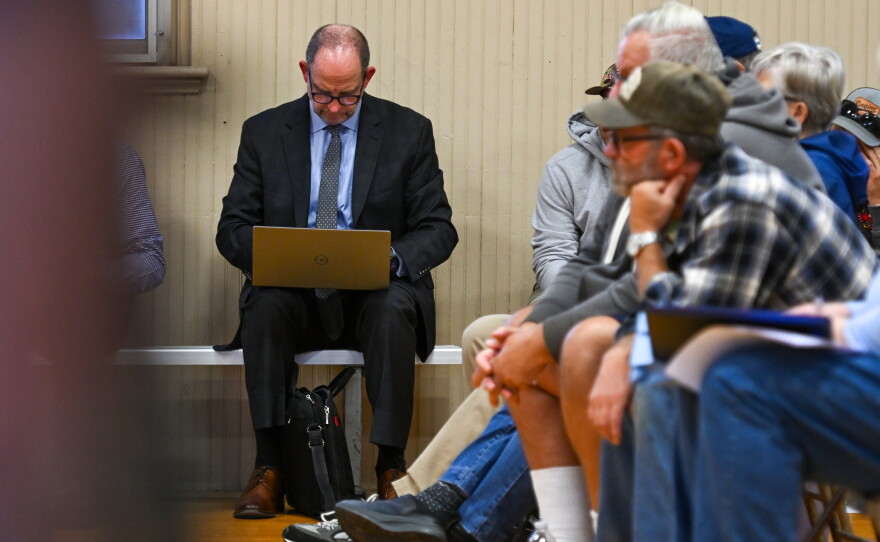
Edmund Campbell is the attorney for Cornell Realty Management. The Brooklyn-based company bought the land off Business Route 6 and Wildcat Road and wants to build the campus.
Campbell declined comment after the vote.
Council also would not comment on the decision because of potential pending litigation.
Many in the audience and those who spoke after the vote cautioned that they believe the developer will most likely appeal the decision.
“This time if they appeal it, you stand with us,” Tamara Misewicz-Healey said to council after the vote. She is co-founder of the Stop Archbald Data Centers group.
'Consequences cannot be undone'
Before the vote, members of the public and Campbell addressed council.
"I know that what I’m asking you to do is not popular. But quite frankly we’ve met the standards under the ordinance and we ask you to approve it," Campbell said.
Wildcat Ridge Data Center Campus proceedings:
Jan. 28: Archbald Council hears from data center developer eyeing 500-acre site, possible mine water use
March 10: Shoutouts and studies: Archbald data center campus hearing continues, residents respond with rage
April 13: Developer's pamphlets, traffic forecasts dominate Wildcat Ridge data center hearing in Archbald
May 14: How loud is a data center? Archbald residents turn up criticism of Wildcat Ridge study
June 15: Another night of questions as data center developer rests its case in Archbald zoning process
July 7: Public health expert finds backup generators for data center campus in Archbald could have negative health impacts for residents
July 13: Sound consultant warns Wildcat Ridge Data Center could significantly increase noise
Aug. 4: Data center developer wants majority of Archbald council to recuse themselves from deciding its fate; air quality in focus again
Sept. 9: Archbald borough council decides against recusal, listens to final testimony on Wildcat Ridge Data Center
Many Archbald residents thanked council for their time and dedication during the hearings.
Meg Nudelman said the developer provided “assurances of compliance, promises of mitigation and explanations of what can, could or would be done” during the hearings.
“But assurances are not a substitute for evidence, evidence establishing compliance with the applicable ordinance,” she said. “I ask you to examine not just what the applicant has promised but what concrete evidence they actually provided. Because once these buildings are constructed the consequences cannot be undone.”
The road to denial
Last year Cornell requested permission to use their land to build a sprawling hyperscale data center complete with 588 diesel powered backup generators on untouched land.
The property is in the borough’s data center overlay district. The company’s request began Archbald’s conditional use process. Nine hearings were held between January and September.
Cornell, through Campbell and expert witnesses, had to prove that its project adhered to the borough’s zoning laws.
"Those standards that your ordinance puts in place [are] designed to protect the very real concerns that the community has,” Campbell said during the meeting.
Campbell and two other lawyers called nine witnesses. They discussed cooling data center equipment, backup generators, an economic study that relied on information from Virginia and AI content, a flawed traffic study and a sound study.
When it came to emissions, Cornell lawyers and an air-quality expert argued that the project could get permits from the Pennsylvania Department of Environmental Protection.
The opposition hired a public health expert who estimated that the diesel generators could cause between $3 and $124 million in health damages annually.
The lawyers also asked that each of the seven-member council recuse themselves for bias from voting on the zoning application.
Taking the win
After the vote, community members, including Janessa Bednash, thanked council for denying the zoning application.
Bednash’s gratitude drew applause and cheers from the crowd.
“I am sure there is a lot of pressure on you to approve these projects and I cannot thank you enough for blocking out all of the noise and focusing on the simple fact that this project is flawed and had to be denied,” she said.
Bednash also thanked the community members behind her who attended not only the meeting, but the hearings, planning commission meetings and school board meetings.
“Thank you for speaking out in defense of yourselves, your neighbors and generations you will never meet,” she said.
She said none of the six proposed data centers in Archbald are a done deal.
“And we will continue to fight to protect the health, safety and welfare of this community," Bednash said.
Council president Lou Rapoch ended the meeting just before 7:30 p.m. Residents, many of whom did not know each other before data center proposals inundated the borough, continued to hug each other.
Misewicz-Healey said she hoped that council would deny the zoning approval, but was still nervous all day.
She said those nerves were more about what side the local officials would stand by.
Misewicz-Healey said she took a deep breath for the first time all day after their unanimous denial.
"I know it’s not over but we’re going to take the win that it was and we’re going to continue on," she said. "We know that this is unfortunately a marathon but we live here and we’re not going anywhere."
